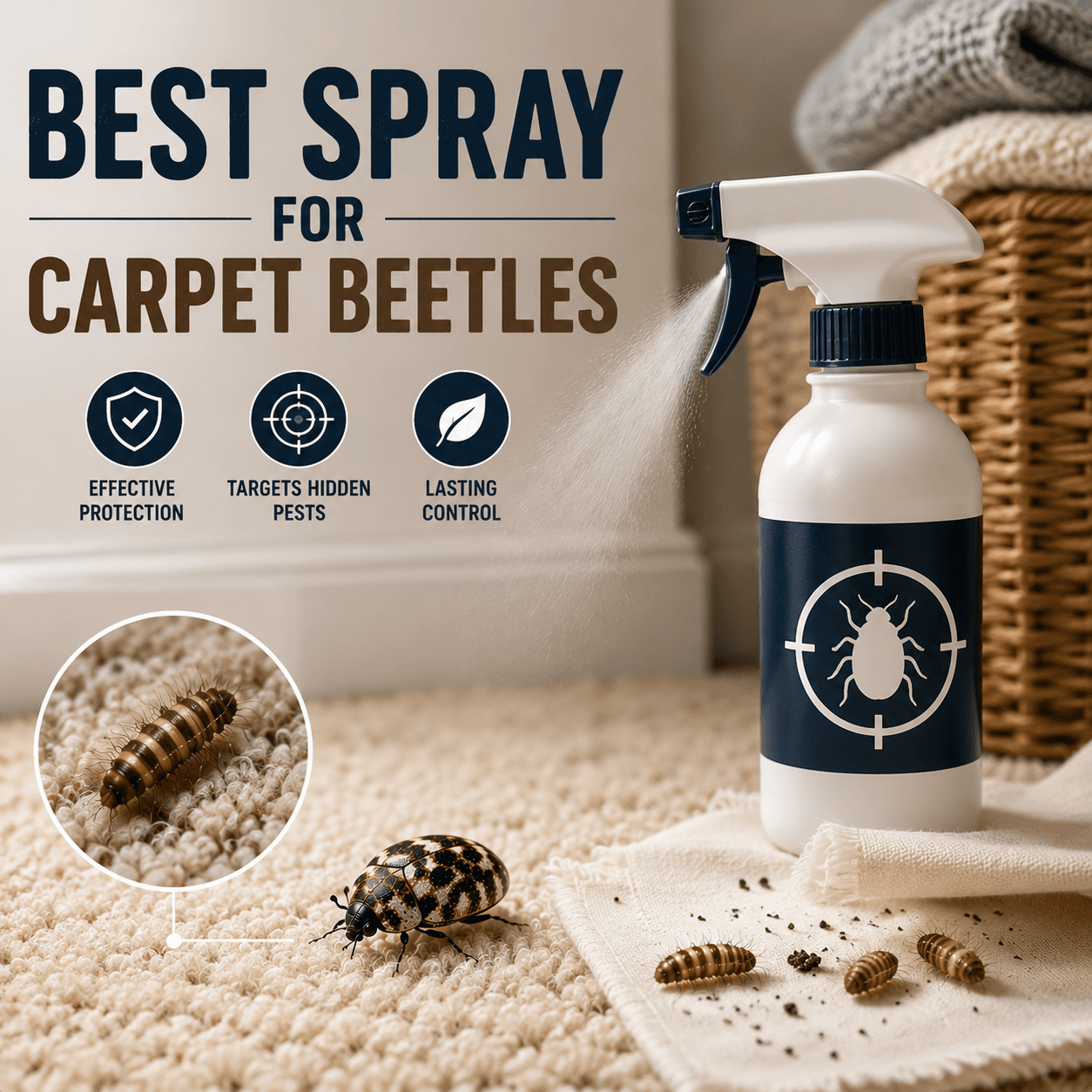
Insects & Creepy-Crawlies
The answer depends on the size of the infestation, where the beetles are hiding, and how thoroughly the treatment is applied.
Read guide →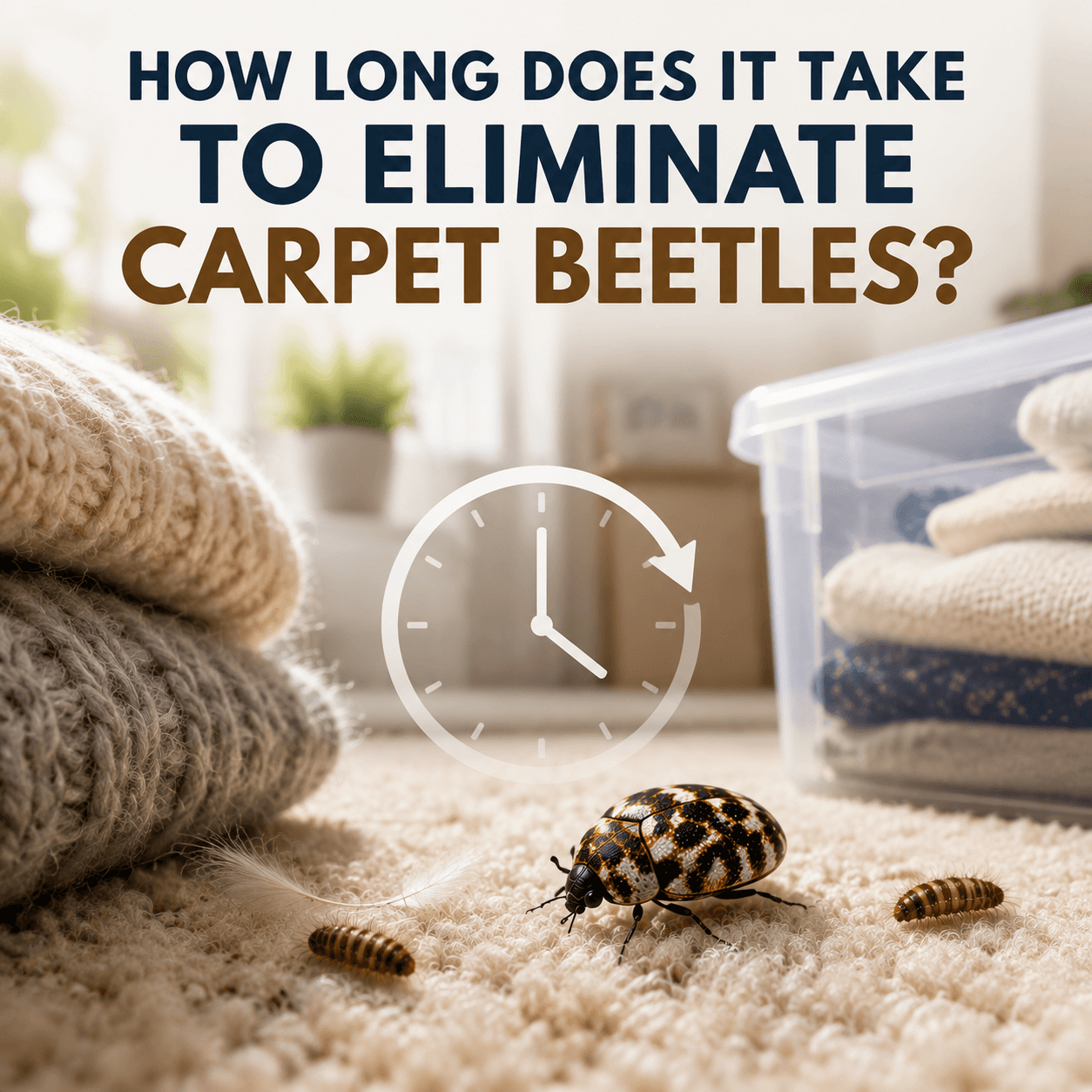
Insects & Creepy-Crawlies
Small infestations may improve within weeks, while larger problems can require months of consistent effort.
Read guide →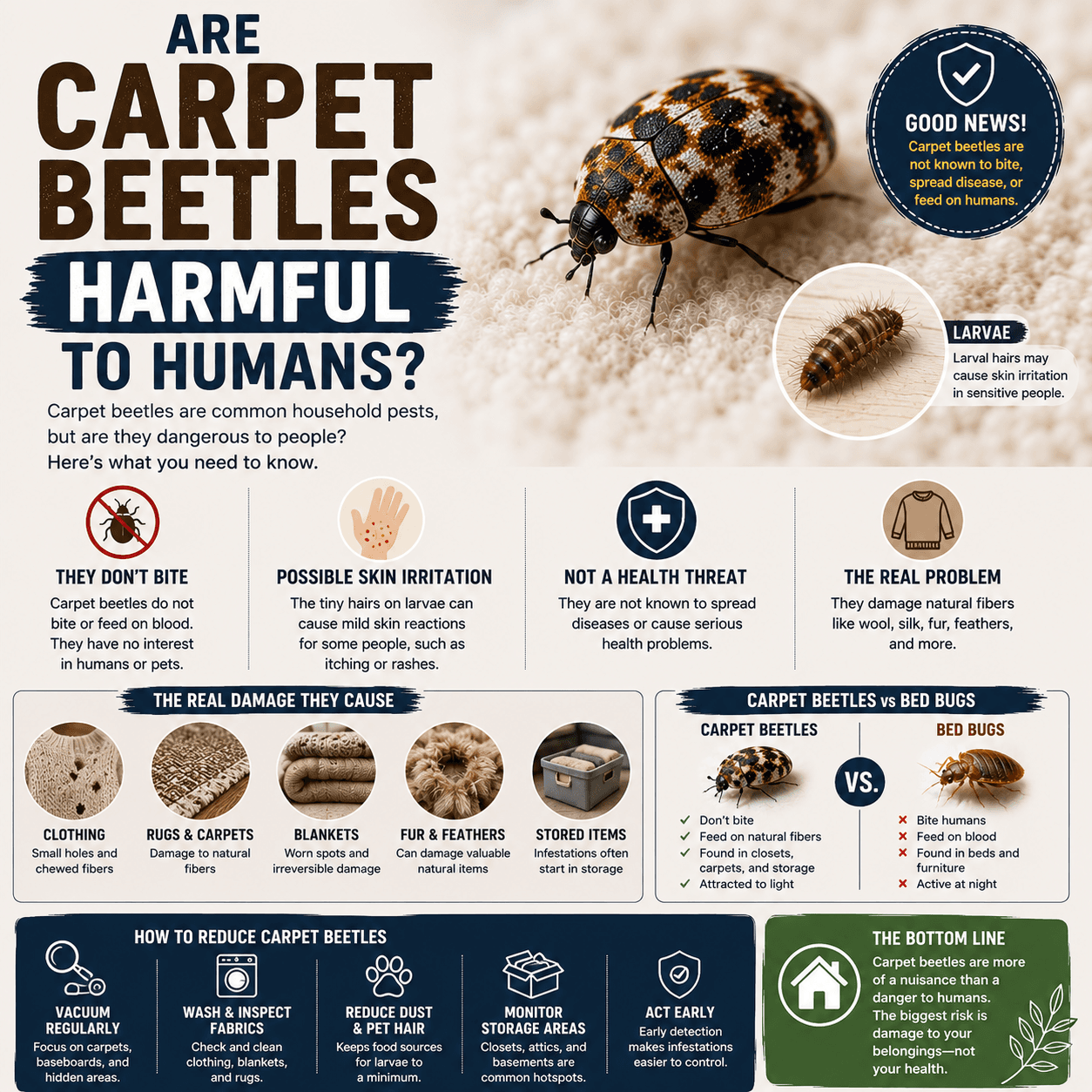
Insects & Creepy-Crawlies
Carpet beetles do not bite, spread disease, or feed on people.
Read guide →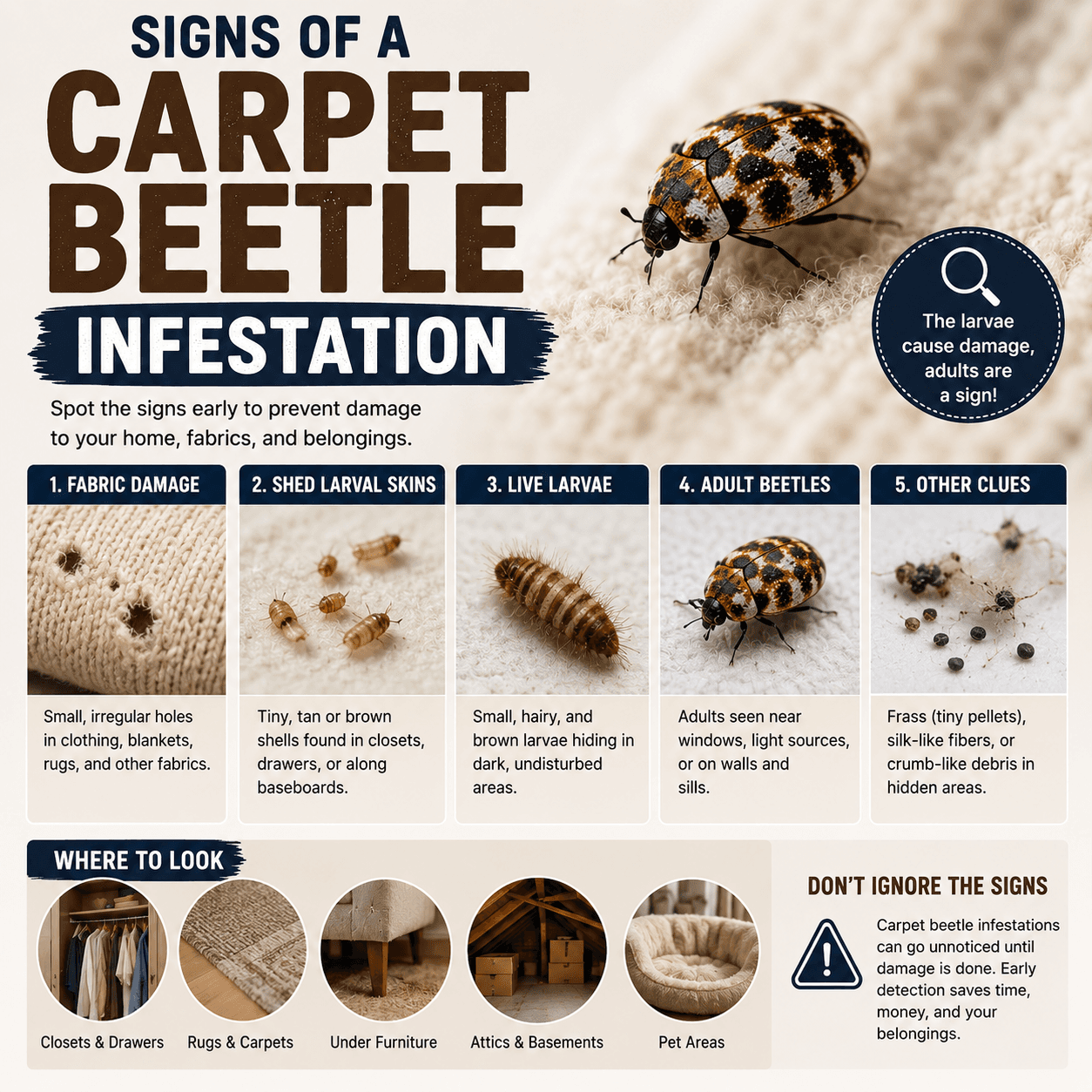
Insects & Creepy-Crawlies
Early Detection Makes a Difference
Read guide →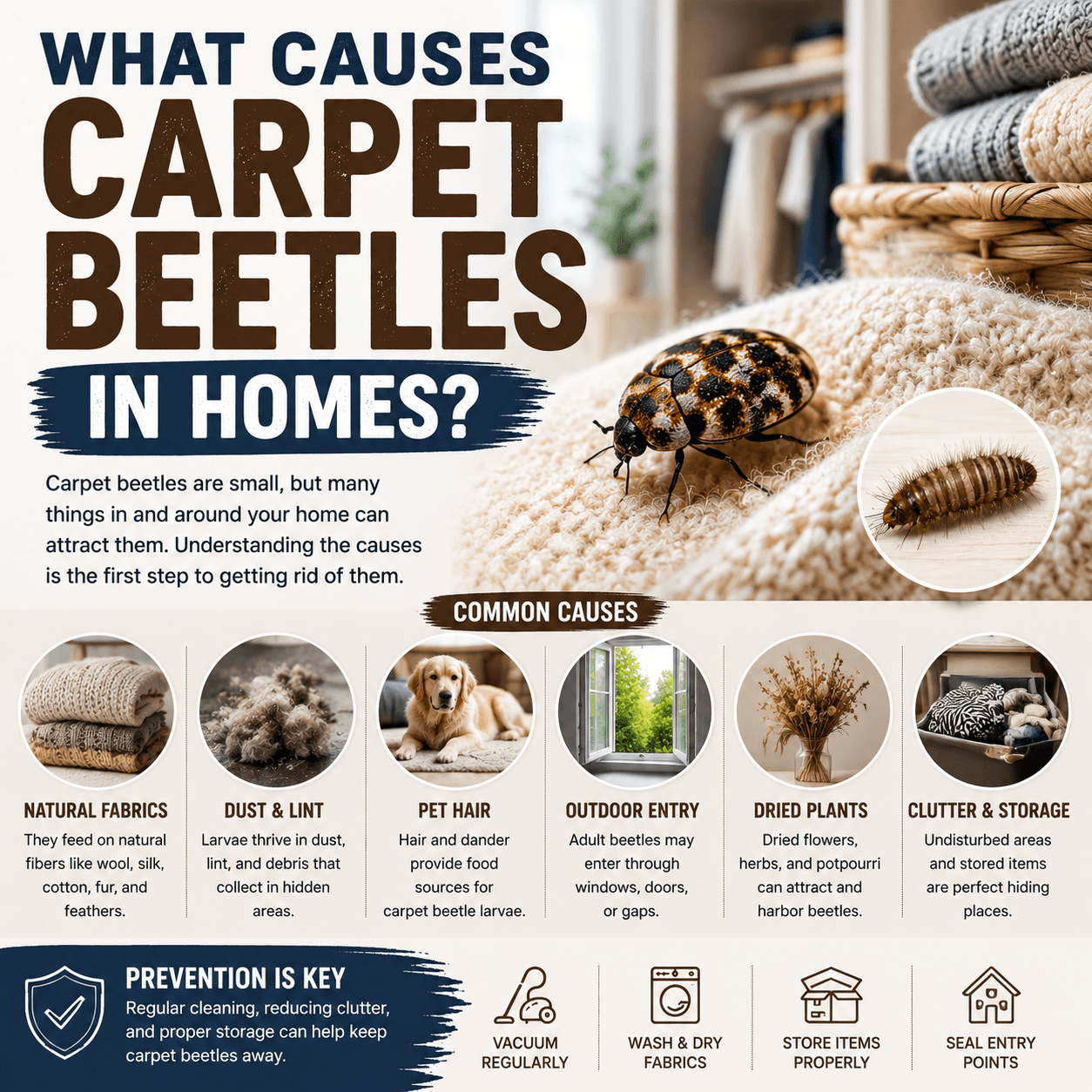
Insects & Creepy-Crawlies
Understanding how they get in and what attracts them is key to stopping infestations before they cause extensive damage.
Read guide →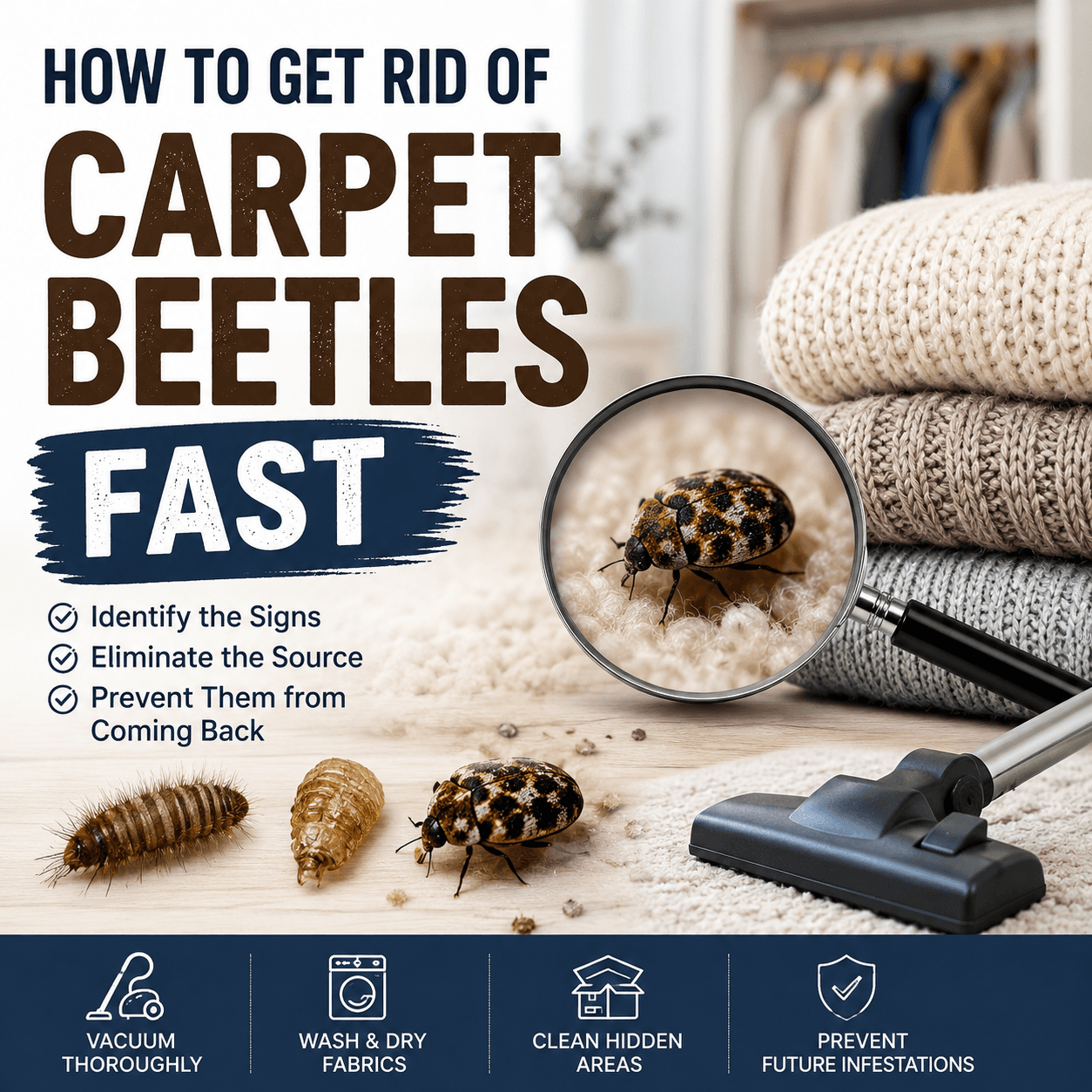
Insects & Creepy-Crawlies
By combining thorough cleaning, fabric treatment, and ongoing monitoring, most homeowners can significantly reduce carpet beetle activity and prevent future infestations.
Read guide →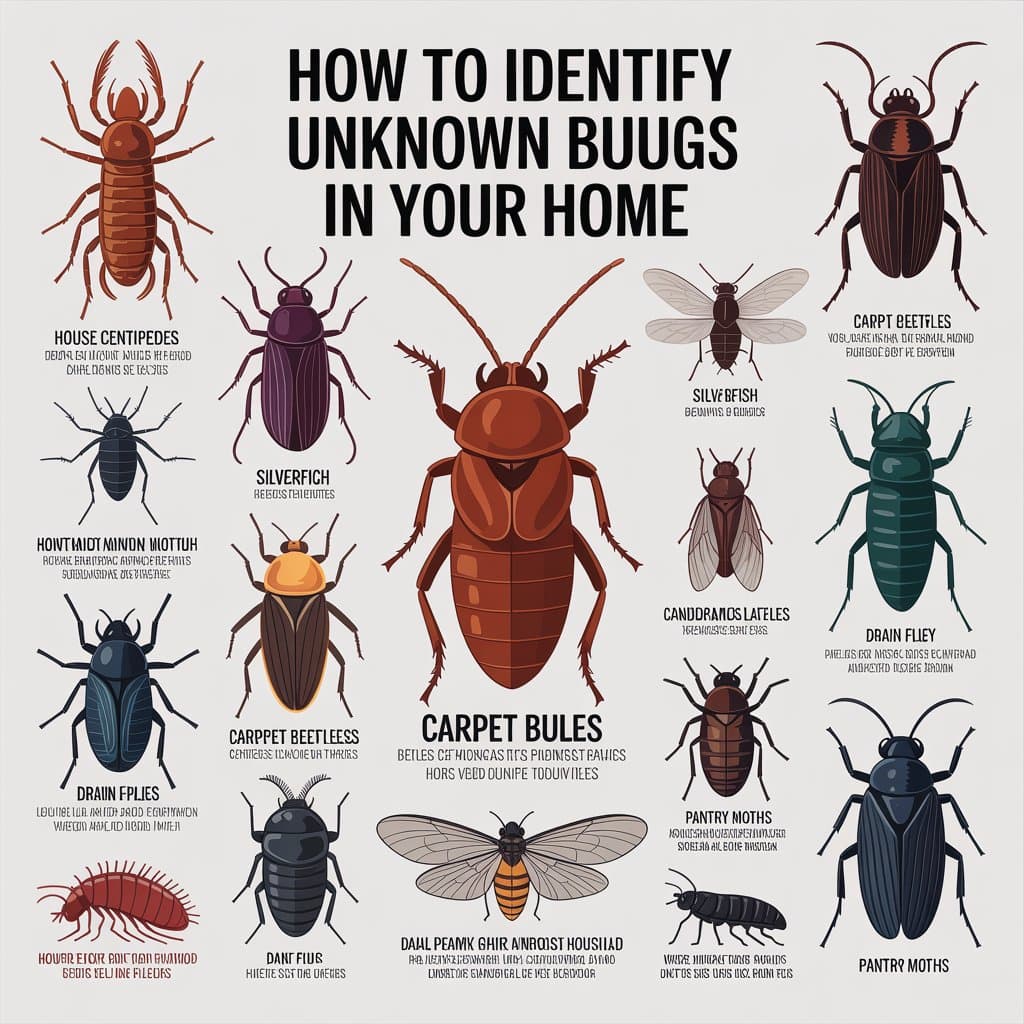
Insects & Creepy-Crawlies
Identification is the key to understanding whether it’s a minor issue or a larger problem.
Read guide →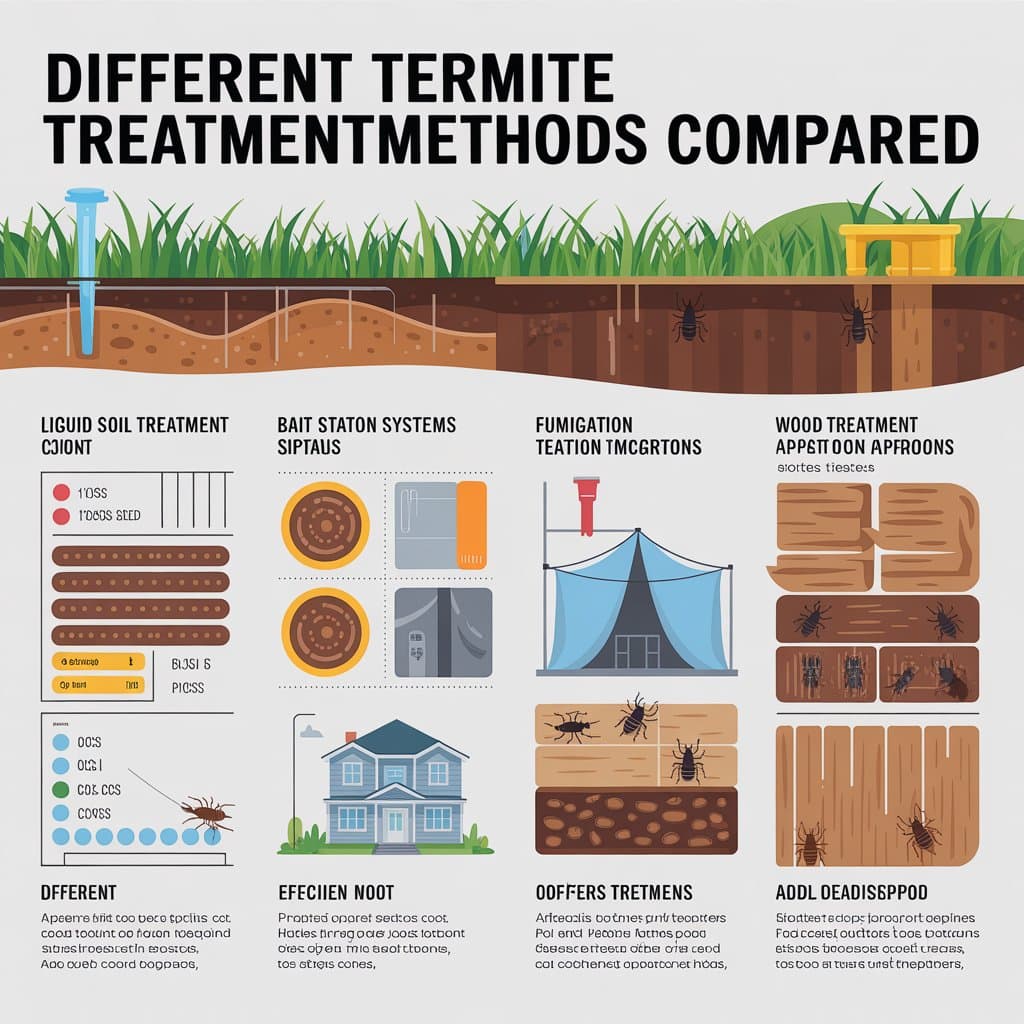
Insects & Creepy-Crawlies
Termite treatment isn’t about choosing the “most powerful” option—it’s about choosing the right method for the specific infestation.
Read guide →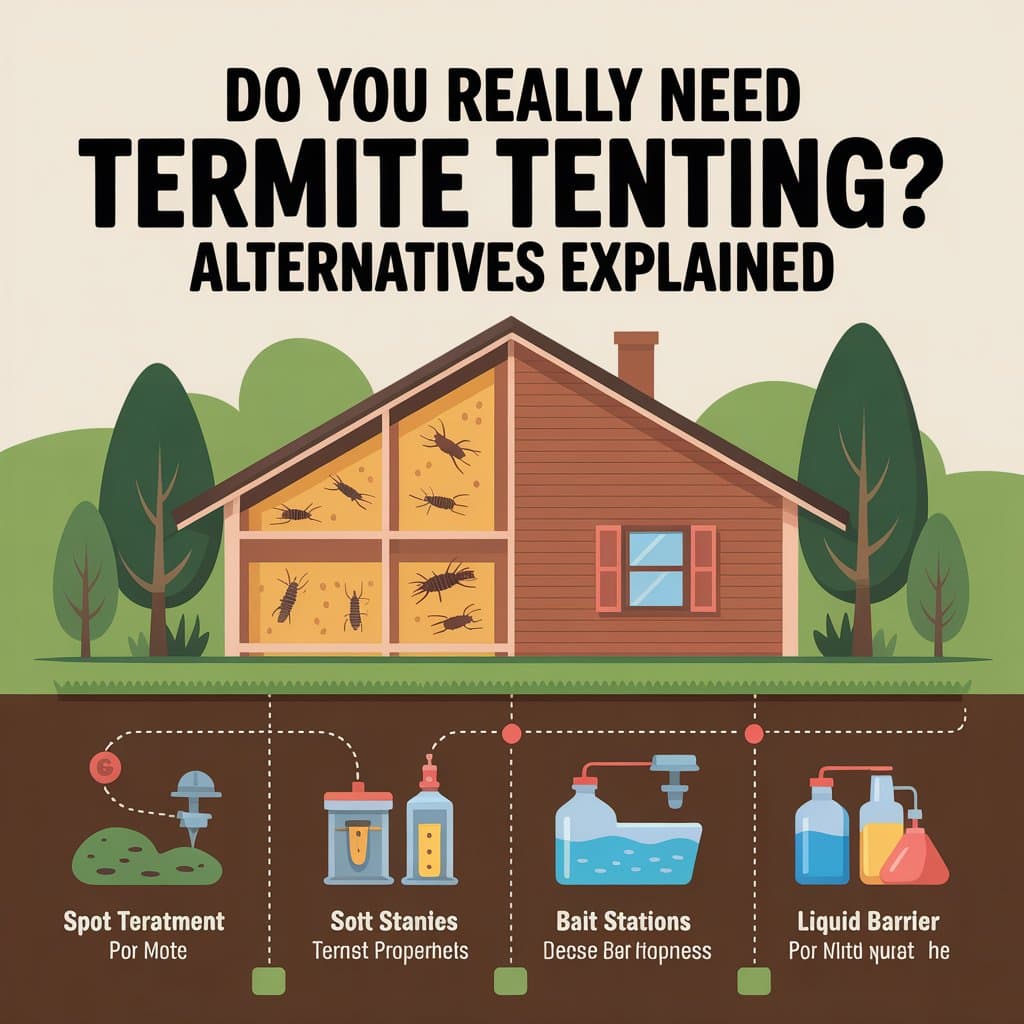
Insects & Creepy-Crawlies
The most important step is understanding the scope of the problem before deciding on a treatment approach.
Read guide →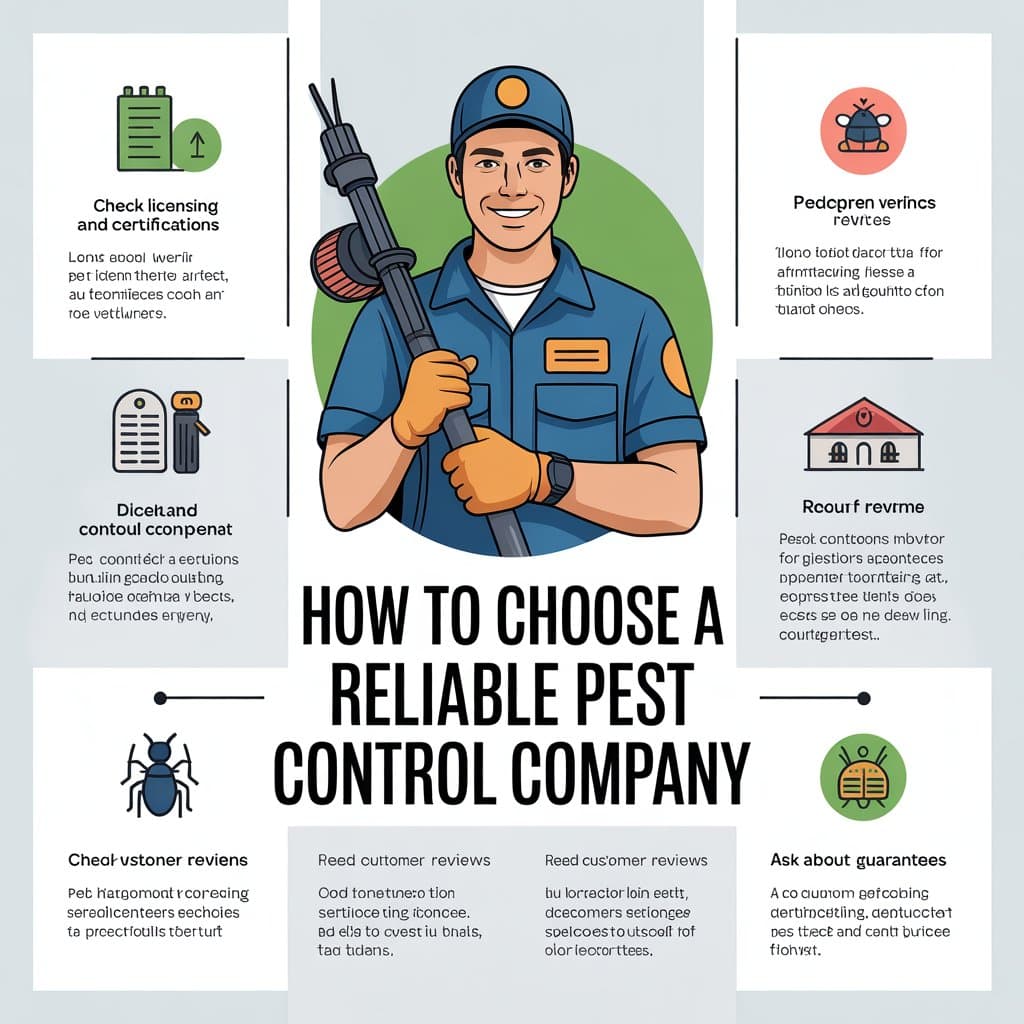
Insects & Creepy-Crawlies
A reliable company should help you solve the problem—not just temporarily hide it.
Read guide →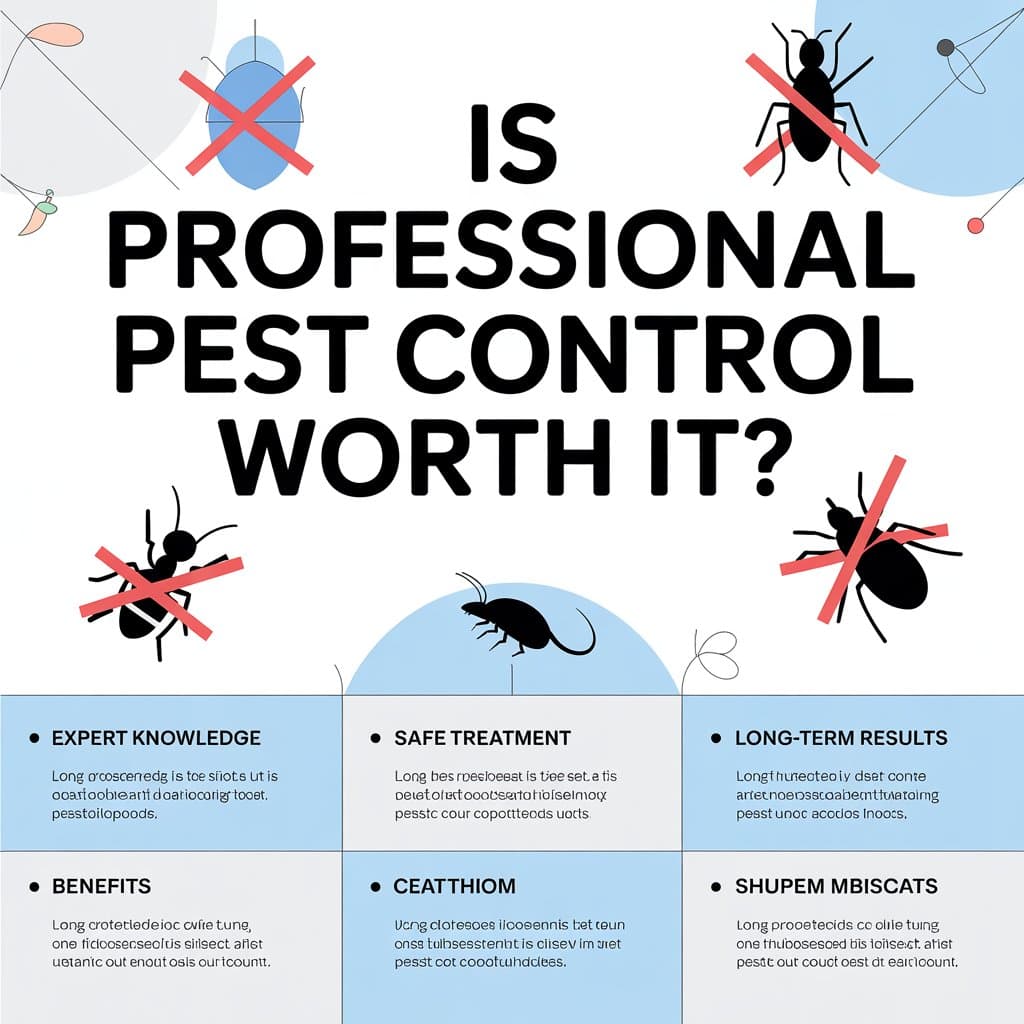
Insects & Creepy-Crawlies
Small, isolated problems may be manageable with DIY methods.
Read guide →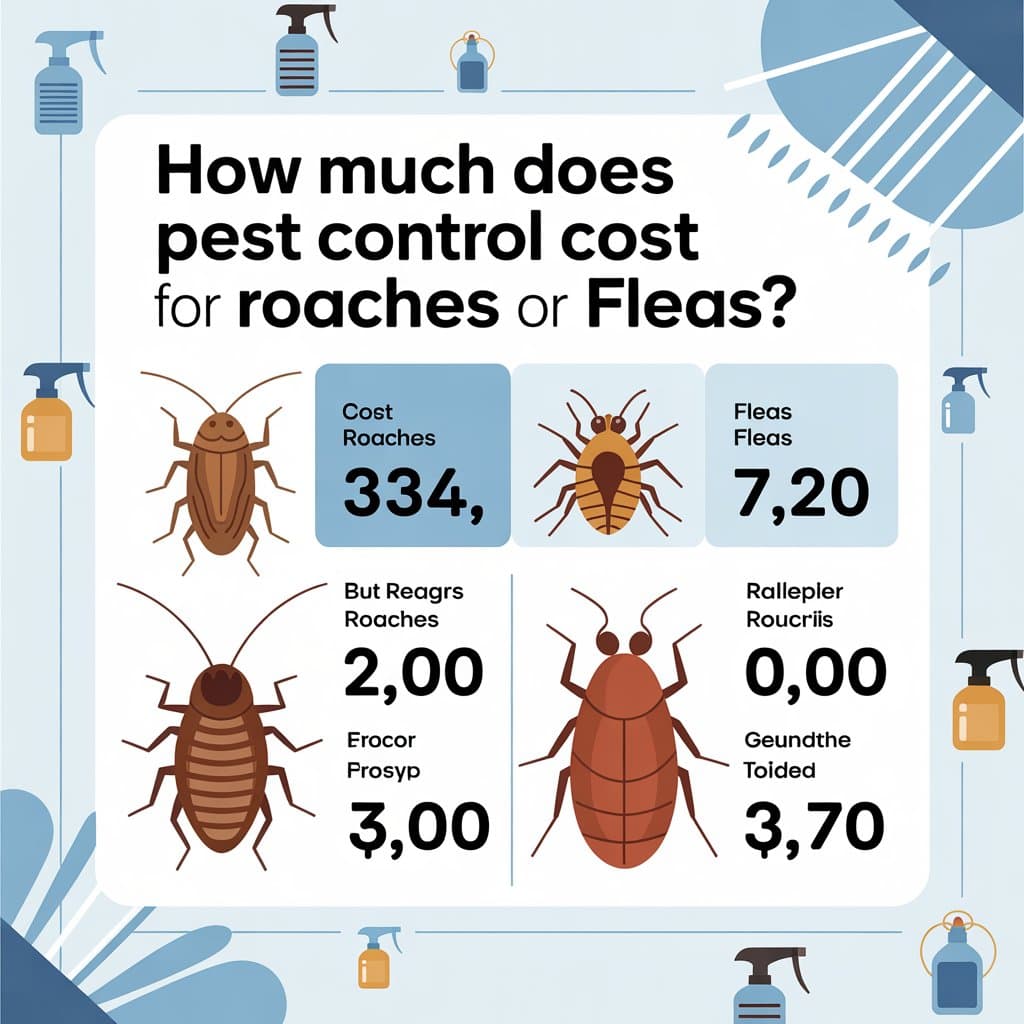
Insects & Creepy-Crawlies
Pest control costs for roaches and fleas can vary widely depending on the situation.
Read guide → 01
01


